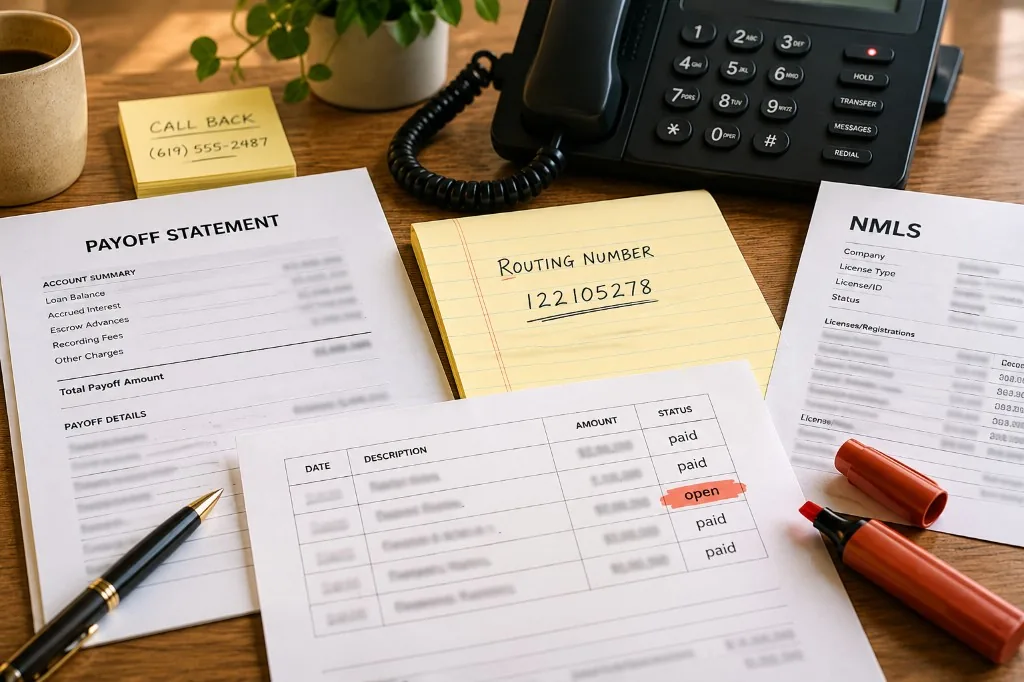

A deal falls apart mid-escrow, and suddenly the file that was headed toward closing becomes a liability waiting to happen. The earnest money is sitting in your trust account, both parties have opinions about where it goes, and the documentation you create in the next few days determines whether you can defend your actions six months from now.
This guide covers what a cancelled file has to show, how to document the cancellation instruction and deposit disposition, how to handle disputes and material changes after sign-off, and the common mistakes that leave offices exposed.
Why real estate deals fall apart mid-escrow
Documenting a failed escrow file means cleanly severing contractual ties and securing a paper trail for the disposition of the earnest money deposit. The reason the deal collapsed determines which documents belong in the file and who has authority to direct the deposit. Before documenting anything, you have to know what triggered the cancellation.
### Financing and loan denial
When a buyer's loan falls through, the lender denial letter or the borrower's written withdrawal becomes the anchor document. The file shows the financing contingency was still active and that the buyer elected to cancel within the allowed timeframe.
### Inspection and repair disputes
Failed repair negotiations require written documentation of the impasse from both parties. The original inspection report, along with each party's position on repairs, belongs in the file to show why the deal could not proceed.
### Appraisal shortfalls
If the appraised value comes in below the purchase price and the parties cannot bridge the gap, the cancellation documentation includes the appraisal report and the buyer's written election to cancel under the appraisal contingency.
### Title and lien issues
Unresolved title defects, liens, or encumbrances can kill a transaction. The file shows what title issue was identified, that the issue could not be cured within the contingency period, and that the buyer exercised the right to cancel.
### Buyer or seller withdrawal
Voluntary withdrawals and breach scenarios require different documentation. The reason for withdrawal affects deposit disposition, so the file captures the written basis for the cancellation and any demand letters that follow.
---
What the cancelled file has to show
A cancelled file is still a file. It has to be reconstructable after the fact, showing exactly what the office relied on before releasing or holding funds. Think of the cancelled file as the record that answers one question: "Why did you do what you did with the money?"
- **The cancellation instruction:** Written direction from authorized parties to cancel
- **The accepted office state:** What the file looked like at the moment of cancellation
- **Sources reviewed:** Every document, communication, or verification the office relied on
- **Limitations of each source:** What each piece of evidence does not prove
- **Approver and sign-off:** Who in the office authorized the cancellation action and when
### The cancellation instruction
A cancellation instruction is a covered instruction, meaning the instruction directs the office to take a consequential action. The cancellation instruction has to be in writing and signed by the appropriate party or parties under the purchase agreement terms. A verbal request over the phone is not sufficient.
### The accepted office state
The accepted state is the snapshot of file data (parties, amounts, payees, instructions) that the office treated as current when the office acted. If anything changed after sign-off, the record goes stale. You cannot release on a stale record.
### Sources reviewed and their limitations
Every piece of evidence becomes a source row with a stated limitation. A signed mutual cancellation proves both signatures appear on the form. The signed mutual cancellation does not prove the signers were not impersonated. That limitation belongs on the file, not buried in a vendor response.
### Approver and sign-off
The office records who reviewed the cancellation evidence and approved the action. The approver is not the party's signature on the cancellation form. The approver is the internal officer or manager who confirmed the file was ready for the cancellation to proceed.
---
How to document the cancellation instruction
The cancellation instruction is a covered instruction that typically cannot proceed without a current Review Record or an owner-approved exception. Here is the sequence.
### Step 1: Capture the instruction in writing
The cancellation request has to be reduced to writing. The instruction states the file number, the action requested, and the deposit disposition. Phone calls and verbal requests alone are insufficient.
### Step 2: Verify identity and authority of each signer
A signature is not permission by itself. The office verifies the signer has authority under the purchase agreement and escrow instructions.
Verification methods (callbacks, KYC checks, notarization) each have their own limitations, and those limitations belong on the record. A callback proves you reached a number on file. The callback does not prove the person who answered was the actual party. For more on how verification evidence fits into the file without becoming approval, see Account checks are evidence, not approval.
### Step 3: Record the accepted state of the file
At the moment the office treats the cancellation as valid, capture the file state: deposit amount, party names, wire instructions on file, and any open demands. The file state becomes the baseline for the Review Record.
### Step 4: List every source the office relied on
Create a source manifest. The source manifest typically includes:
- Mutual cancellation form (date, signatures)
- Lender denial letter (if financing contingency)
- Inspection reports and repair demand history
- Email correspondence referencing cancellation
- Verification vendor output (with limitations noted)
### Step 5: Route for sign-off before any release
No deposit release or refund occurs until an authorized officer signs off on the Review Record. If the record is stale or missing, the release is held. The sign-off is the control that prevents acting on outdated or unsupported evidence.
---
How to document the earnest money disposition
Earnest money (also called the good faith deposit) is the most contested element of a cancelled file. The documentation shows what instruction the office followed and why.
### Refund to buyer
When the buyer cancels within a valid contingency, document the contingency, the written cancellation, and the buyer's wire or refund instructions. Verify that the refund payee matches the original depositor.
### Release to seller
When the seller claims the deposit due to buyer breach or waived contingencies, document the seller's demand, the contractual basis, and any buyer response or non-response within the required timeframe.
### Split per mutual instruction
Some cancellations result in negotiated splits. Document the mutual written agreement specifying exact amounts to each party and the wire instructions for each.
### Hold pending resolution
When the parties dispute the deposit, the office holds funds. Document the hold status, any demand letters received, and the time-bound response windows. The file shows why no release occurred.
---
How to document a disputed deposit or disbursement disagreement
When both parties claim the deposit, the escrow office is caught in the middle. The office is a neutral stakeholder and cannot release funds without written agreement from both parties or court direction.
### Step 1: Log the demand and the counter-demand
Document each written demand with the date, amount claimed, and stated basis. Each demand becomes a source on the file with its own limitations.
### Step 2: Record the time-bound response window
Most purchase agreements and escrow instructions specify a response period. Document when demands were sent, when responses were due, and whether responses were received.
### Step 3: Document the interpleader or court filing
Interpleader is a court action the escrow files to let a judge decide who gets the deposit. Document the filing date, case number, and that the office deposited funds with the court or is holding funds pending court direction.
### Step 4: Block the release until direction is current
No release occurs on a disputed file without current, signed direction from the court or both parties. If an old demand is superseded by new information, the prior record is stale.
---
How to record source limitations on cancellation evidence
Every source has limitations that belong on the file, not hidden in vendor output. Here are the common ones.
### What a signed mutual release does not prove
A signed mutual cancellation proves signatures appear on the document. The signed mutual cancellation does not prove the signers were the actual parties, that the signers were not coerced, or that the signers' authority was current.
### What an email cancellation request does not prove
An email proves a message was sent from an address. The email does not prove the account was not compromised or that the sender had authority to cancel. Email is where impersonation risk is highest.
### What a passed KYC result does not prove
A passed KYC check proves identity documents matched a database at a point in time. The passed KYC check does not prove the person submitting the documents was the actual party or that the identity was not stolen.
---
How to handle a material change after sign-off on a cancelled file
A material change is any update to a value the office relied on. A change after sign-off makes the existing Review Record stale. The office cannot release on a stale record. For the foundational doctrine behind staleness and re-review, see Managing stale records and material changes in closing files.
### Changed payee or wire instruction
If the refund payee or wire routing changes after the Review Record is signed, the record is stale and a new review is required before release. A changed payee or wire instruction is the highest-risk change for fraud.
### Changed deposit amount or allocation
If the deposit amount or split between parties changes, the prior sign-off no longer applies. Document the change and require a v2 Review Record.
### New demand letter or withdrawn consent
If one party revokes cancellation consent or submits a new demand, the file state has changed. The prior record cannot support a release, so the office blocks and re-reviews.
---
How to close and retain the cancelled file for audit
A cancelled file is still subject to audit, E&O review, and underwriter examination. The file has to be closeable in a reconstructable state.
### Audit packet contents
The audit packet typically includes:
- Cancellation instruction and mutual release
- Review Record showing sources, limitations, and sign-off
- Exception records (if any bypass occurred with owner approval)
- Wire confirmations or hold documentation
- Dispute correspondence
### Restricted evidence and access logs
Sensitive evidence (bank account details, identity documents) belongs in a restricted vault with field-level access and logs showing who accessed what and when.
### Retention period under California escrow rules
California escrow regulations require retention of transaction records. The file has to remain reconstructable for the full retention period, even if the transaction never closed.
---
Common escrow cancellation documentation mistakes
### Releasing on a stale record
Releasing funds when the underlying Review Record is outdated (because the file state changed after sign-off) exposes the office. The release proceeded without current support.
### Burying limitations in vendor output
Verification vendors provide results, but the limitation of what those results do not prove often appears only in fine print. Limitations belong on the Review Record, not hidden in attachments.
### Silent exceptions without named approval
When policy is bypassed, the bypass has to be recorded with the approver's name and reason. A silent exception with no record of who approved and why is indefensible after a loss.
### Acting on an unverified cancellation email
An email appearing to be from a party may be fraudulent. Acting on an unverified email without verification creates liability. The file shows what verification was done and the verification's limitations.
---
Bring control to the moment of action on every cancelled file
The documentation practices described here are exactly what Veto records on the file. Review Records, automatic staling on material change, held releases without current support, and named exceptions that cannot hide. The office decides and acts. Veto records the review.
---
Frequently asked questions about documenting a cancelled escrow file
### What does it mean when a real estate deal falls out of escrow?
Falling out of escrow means the transaction failed to close. Escrow is cancelled and deposit disposition is determined under the purchase agreement.
### When a disagreement arises from an escrow disbursement, what can the parties file?
Either party can demand their share in writing. If the escrow cannot resolve the matter, the escrow may file an interpleader action asking the court to decide.
### How long does a cancelled escrow file have to be retained in California?
California escrow regulations require retention of transaction records for a specified period. Check current DRE requirements for the exact timeframe.
### Does a signed mutual cancellation prove the parties actually authorized it?
A signed form proves signatures appear. The signed form does not prove identity, authority, or absence of impersonation without additional verification.
### Can an escrow office release the deposit based on an emailed cancellation request alone?
An email alone does not verify identity or authority. The office verifies before acting and documents both the verification and the verification's limitations.
This article describes examination, operational, and documentation practices for independent escrow offices. It is not legal advice and does not classify any office as compliant or noncompliant with DFPI requirements, ALTA Best Practices, or E&O carrier expectations. Veto does not verify, approve, certify, guarantee, insure, authorize, detect fraud, prevent fraud, or make wires safe to send. Veto records the review, captures the source and limitation of each check, marks records stale on material changes, holds releases on stale records, and logs the audit trail. The office decides. Veto records the review.